The method
The decision order: room, light, system, head
Most commercial lighting problems start with the order of decisions, not with the fittings. A buyer opens a catalogue, finds a head that looks right, and works backwards to the room. The result is usually a ceiling full of competent lights doing the wrong job: bright where nobody looks, dim where the product sits, and fixed in positions that can't follow the next layout change.
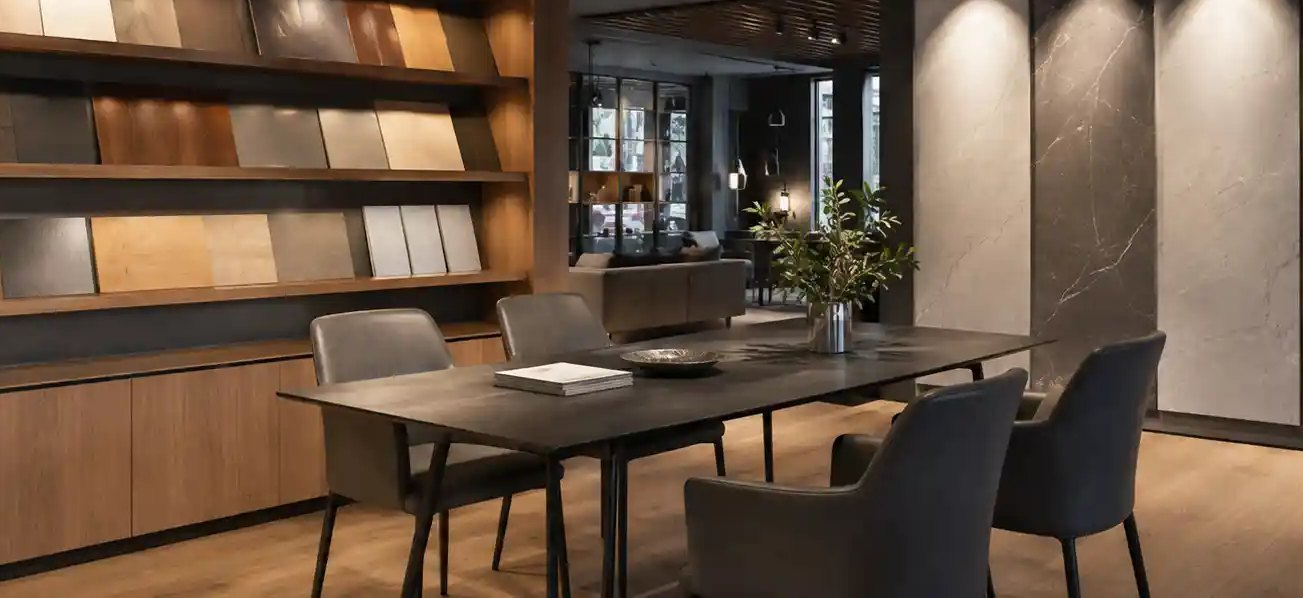
We'd suggest the opposite sequence. First decide what the room has to make people do: browse, linger, eat, read a label, look closely at a painting. Then decide the light logic that supports that behaviour, meaning where the brightest surfaces should be, what stays quiet, how much contrast the room can carry, and whether the arrangement needs to change by time of day.
Decide what the room should make people do. The fittings are the last decision, not the first.
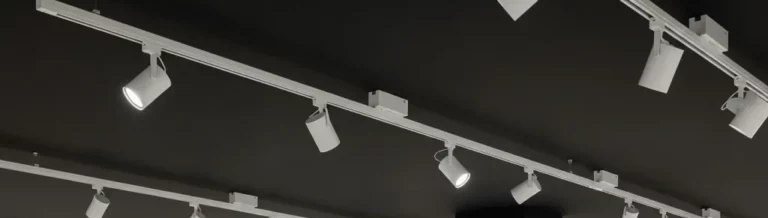
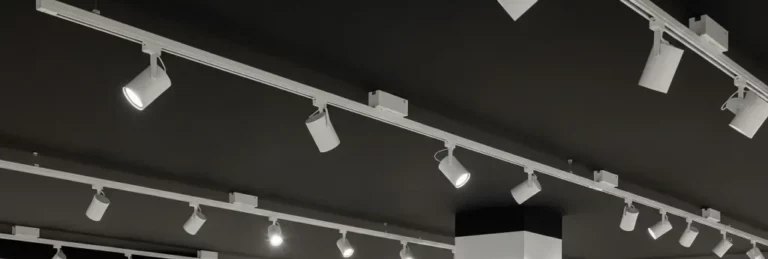
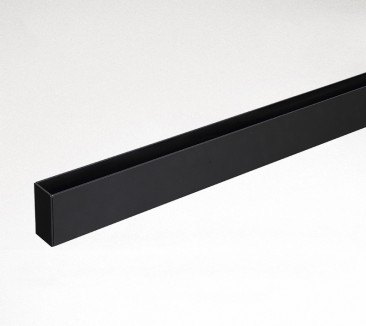
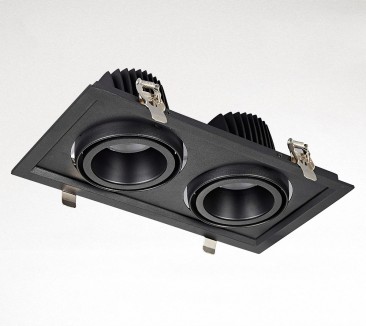
Only after that does the track system come in. Conventional rails in 2, 3, 4 or 6-wire versions carry interchangeable heads and suit rooms where layouts change often. A magnetic system can make sense where a slimmer line and modular fittings fit the brief, with the M35 profile aimed at larger commercial fixtures. Downlights then fill the general light where aiming isn't needed.
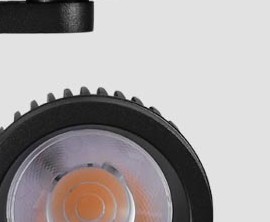
The head or downlight comes last. GU10, MR16, COB and E27 (PAR20/PAR30) heads each have a place, and the right one depends on what the light logic asked for. Colour rendering, beam, colour temperature, glare control and dimming are all per-model questions, so they're confirmed on the spec sheet rather than promised in a headline.